
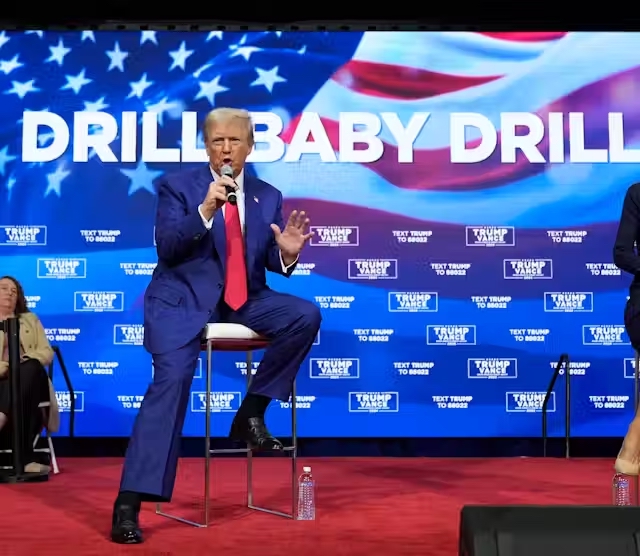
I have not blogged in a while. It has been difficult to understand the priorities of my project when the new government of the most powerful nation in the world is actively dismantling climate research and climate advocacy, along with social science research and scholarship that study crucial phenomena such as diversity, equity and inclusion. The fact that my own project is funded by a Swedish research council makes it possible for me to continue my work. Had it been funded by a US research council, it would now have been shut down, as many of my colleagues in the US have had their projects cancelled. They have also been instructed by their universities that they are not allowed to use certain words when doing research. This means that it will be very difficult for researchers in the US to work on climate-related issues, and to discuss how climate change will be experienced differently by a socially stratified world.
To make matters worse, the fact that the richest men in the world, Musk, Besos and Zuckerberg, closely allied with the Trump administration, are censoring traditional and social media, makes it difficult to publicly critique this enormously destructive political program. In a world where print media is increasingly censored (Washington Post), doctored (Fox News) or engineered to further climate-sceptic content (X, Truth Central), communicating with people who have been convinced that climate change is a hoax, or that it doesn’t matter, and who need to be aware of another story, appears almost impossible. People who are isolated from actual new and unbiased research cannot make informed decisions and thus cannot usefully participate in democracy.
As I have argued in other blog posts, this is not simply a political problem even if the organisation (the Trump government) that is seeking to shut down the conversation is political. It is equally a science problem. Spending billions on scientific research is a futile endeavour if it is impossible to communicate the results to stakeholders (people) and politicians. Thus, the first problem for scientists and scholars is the destruction of research communication pathways and the disinformation campaigns orchestrated (not only) by people associated with the Trump government. Scientists and scholars must collaborate to find ways of making research visible and available to vast communities of people who have been isolated and lied to and who are looking for news they can “believe in”. This is the most burning scientific problem of today. It needs to be at the centre of vast, international research programs. Until then, academics have to also be activists.
Once this communication problem has been resolved, the even more difficult question of what type of global politics is needed to address the present socio-ecological crisis can begin.